
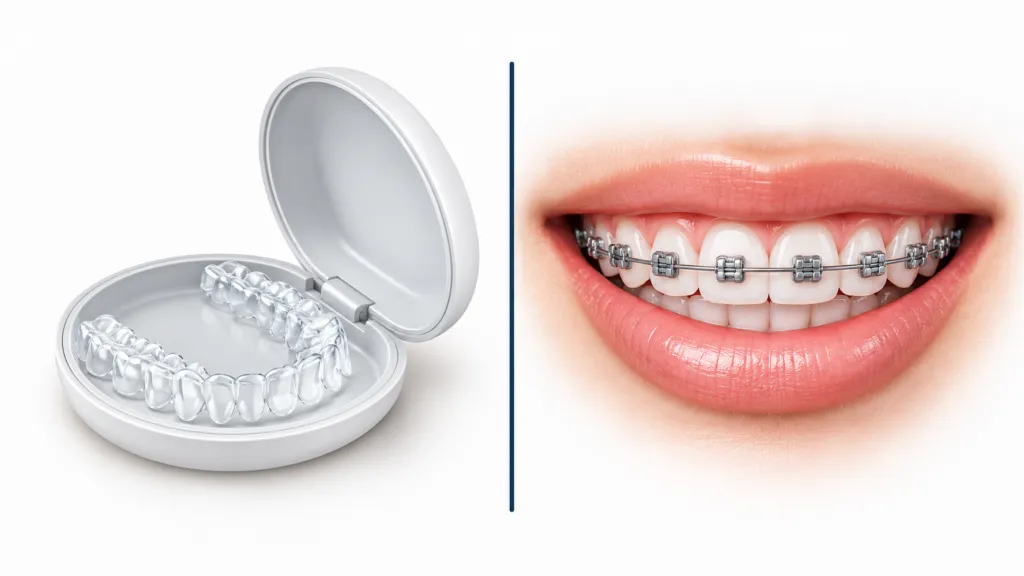
If you are choosing between Invisalign and braces, the honest answer is that both straighten teeth well, and the right choice depends on your situation more than on which option is “better.” Three things usually decide it: how complex your bite is, how much the look matters to you, and how much daily responsibility you want to take on. A clear aligner comes out for meals and photos but only works if you keep it in the rest of the time. Braces stay on and work on their own, but they are visible and come with a few food rules. Which of those tradeoffs fits your life is up to you. To know for sure which option suits your case, though, you need an orthodontist to look at your teeth.
At Wendling Orthodontics, we offer both, so we can give you a straight comparison without any reason to push one over the other. We have been an Invisalign® provider since 2000 and have cared for families in Flint and Grand Blanc for more than 27 years, treating kids, teens, and adults. All three of our orthodontists, Dr. Wendling, Dr. Perry, or Dr. Nolan, personally see every patient, so a doctor matches the treatment to your case.
Invisalign vs braces: a quick comparison
Here is how clear aligner therapy and traditional braces compare on the practical factors most people ask about.
| Factor | Clear aligner therapy (Invisalign) | Traditional braces |
|---|---|---|
| Appearance | Clear trays that are hard to notice | Metal brackets and wires that show |
| Removable | Yes, taken out to eat and clean | No, fixed to your teeth |
| Food restrictions | None, since you take them out to eat | Avoid hard, sticky, crunchy, and chewy foods |
| Daily responsibility | Must be worn at least 22 hours a day and not lost | No daily wear decisions; they work on their own |
| Cleaning | Brush and floss normally, then rinse the trays | Extra care needed around brackets and wires |
| Best suited for | People who will wear them faithfully and want a removable, hard-to-notice option | People who prefer nothing to remember, some complex cases, and young kids who might lose or skip trays |
Which is less noticeable, Invisalign or braces?
Clear aligners are the less noticeable option. They are made of clear plastic that fits over your teeth, so most people will not notice you are wearing them, which is part of why so many teens and adults choose them. Traditional braces use metal brackets and wires, and those show when you smile and talk. If keeping your treatment private matters to you, that difference is real. Plenty of people wear braces happily without giving the look a second thought, so how much this matters is up to you.
Can you take them out, and does that matter day to day?
The biggest everyday difference is that aligners come out and braces do not. You take a clear aligner out to eat, to brush and floss, and for a photo, then put it back in. Braces are bonded to your teeth and stay on until one of our doctors removes them, so there is nothing to take out or put back. Being able to remove the trays is convenient, and for many people that is a real plus. It also comes with a small responsibility, since an aligner only works while it is in your mouth. You have to remember to put it back in after you eat.
What can you eat with each?
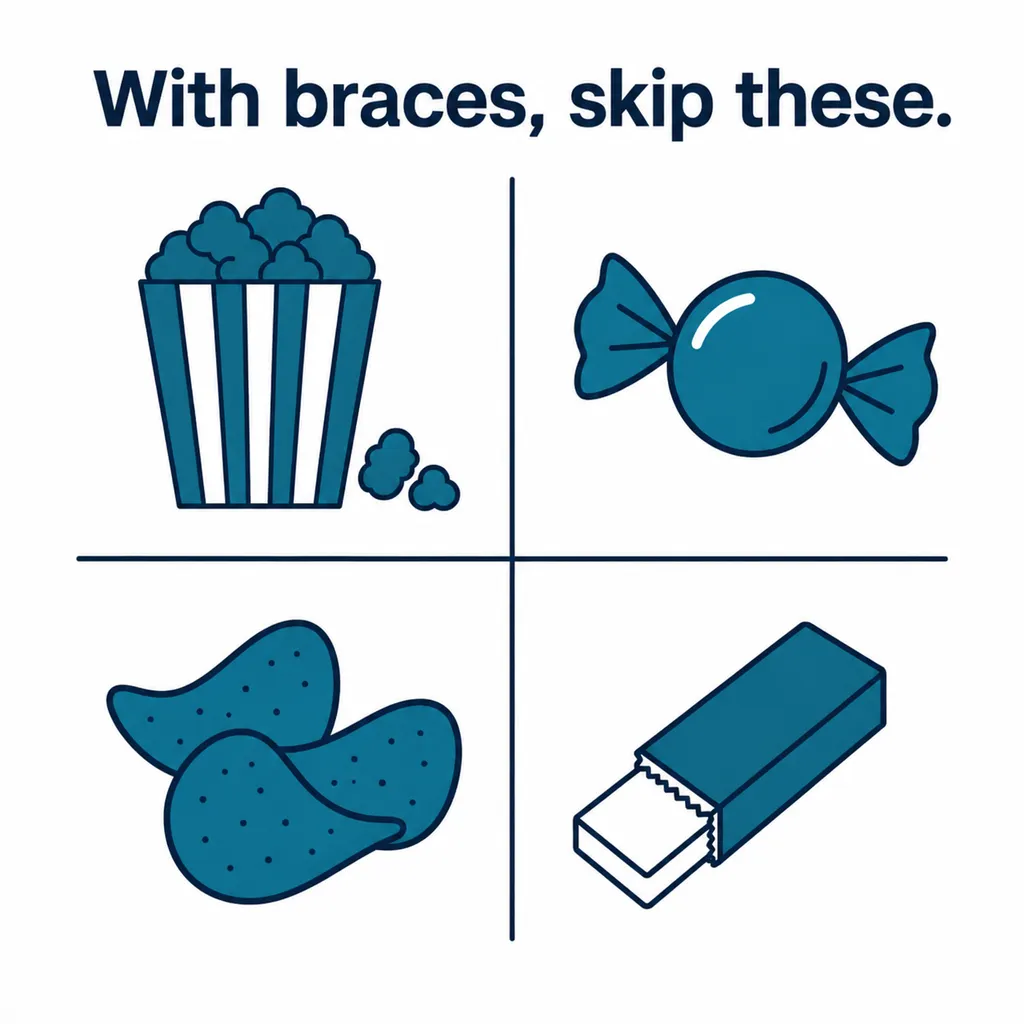
With clear aligners there is no food list, because you take the trays out to eat. You can have whatever you normally would, then brush and put the aligners back in. The one habit to keep is drinking only water while the trays are in, since sugary or acidic drinks can get trapped against your teeth. With traditional braces, you will need to avoid hard, sticky, crunchy, and chewy foods, like popcorn,and chewing gum, because they can break a bracket or bend a wire. For a lot of families, that food difference is one of the deciding factors.
How much daily responsibility does each one take?
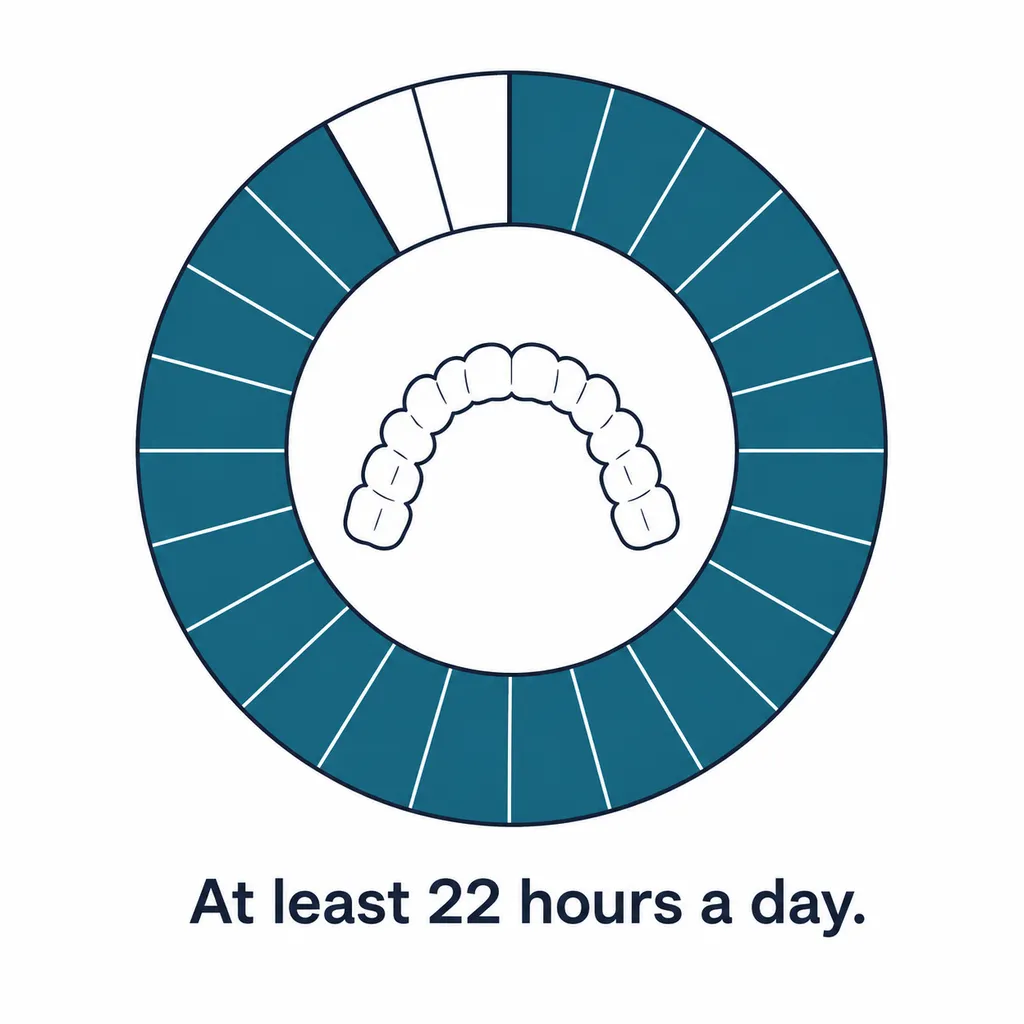
Clear aligners take real daily discipline, and braces take none. For aligners to work, you have to wear them at least 22 hours a day, taking them out only to eat, drink anything other than water, and clean your teeth. If the trays sit in a case, your teeth are not moving. Skipping wear time does more than slow you down. It can throw off the tooth movement your treatment was planned around. Braces work the opposite way. They are on all day and night and move your teeth on their own, so there is nothing to remember and no daily decision to make.
For a teen, this wear-time question is the one that matters most. A responsible teen or adult who will keep the trays in usually does great with aligners. A younger child, or a teen who you suspect will forget or take them out, is often better served by braces, since braces do not depend on anyone remembering anything. Some teen aligners include a small wear-time indicator built into the plastic that fades as the aligner is worn, which gives parents and our doctors a way to see how consistently it is actually being used. If you are weighing this for your child, our Invisalign for teens page walks through how we handle it.
Which is more comfortable?
Neither option is clearly more comfortable than the other, and both cause some mild soreness, mostly at the start and after changes. With braces, teeth can feel tender for a day or two after they are first placed and after each adjustment. With aligners, that tender period usually comes when you switch to a new tray. For most people the soreness is mild and short, and it is a sign your teeth are moving.
Which is easier to keep clean?
Cleaning your teeth is simpler with aligners, because you take them out and brush and floss normally, then rinse the trays before putting them back. With braces, you have to clean carefully around the brackets and wires, which takes more time and sometimes a tool like a floss threader or a water flosser. Braces are manageable to keep clean; they just take more effort each day. Either way, both options need clean teeth to finish with a healthy result, so if daily brushing is already a struggle, that is worth factoring in.
Which one straightens teeth better for your case?
Both straighten teeth well, and neither is better for every case. Clear aligners and braces can both correct a wide range of alignment and bite problems, so for many people either one would produce a great result. Braces have long been used for some of the more complex tooth movements, and clear aligners can now handle more cases than they once could. Which option fits your case depends on what your teeth actually need, and that is a call one of our orthodontists makes after examining your bite. If a doctor tells you both would work well for you, then the everyday factors like appearance, food, and daily responsibility become the deciding factors.
Which is faster?
Speed depends on your case more than on which option you choose. Most orthodontic treatment takes somewhere around 12 to 24 months, with more complex cases taking potentially 18 to 36 months, and that range applies to both braces and clear aligners. A minor correction can take only a few months, while a complex bite can take longer. With aligners, wearing them as directed also keeps you on schedule. Time out of the trays can make treatment take longer. So neither option is reliably faster than the other. What sets your timeline is how much correction your teeth need.
So which is right for you?
Clear aligner therapy tends to fit best if you will wear the trays faithfully and you like being able to take them out for meals and photos. That describes a lot of adults and responsible teens, which is part of why aligners have become so popular. If you know you are disciplined about a daily routine, aligners give you a hard-to-notice option without changing what you eat.
Traditional braces tend to fit best when you would rather not manage daily wear at all, when your case is one a doctor feels is better handled with braces, or when you are the parent of a younger child who might lose or skip aligners. Because braces work on their own, they remove the daily responsibility entirely, which is reassuring for a lot of busy families and younger kids.
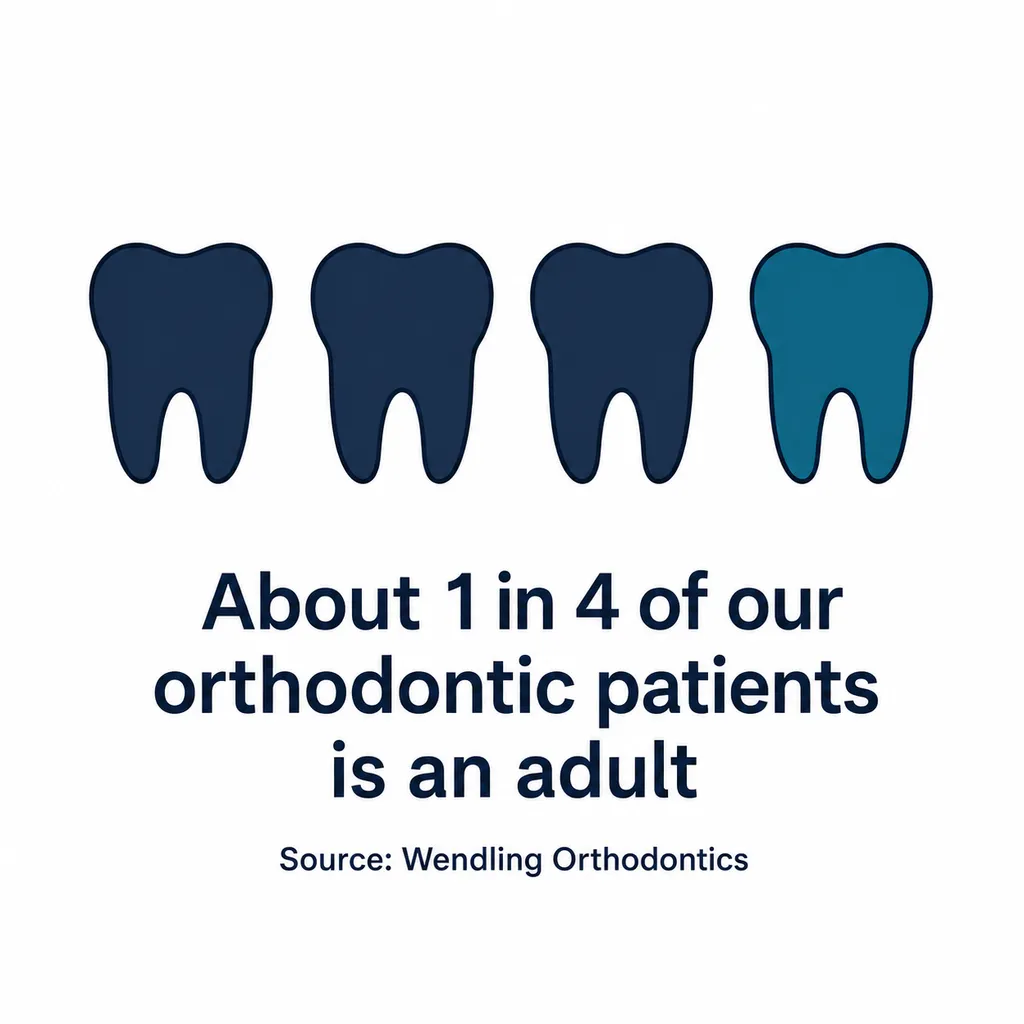
If you are an adult wondering whether you are too old for this, you are not. About one in four of our patients is an adult. Both options work for grown-ups, and the same factors of appearance, food, and daily responsibility decide which one fits your life.
One thing is true no matter which one you choose. After treatment, you will wear a retainer to hold your new smile in place. Teeth can shift over time, and nothing lasts forever, but wearing your retainer as directed keeps your results looking great for years to come.
How we help you decide
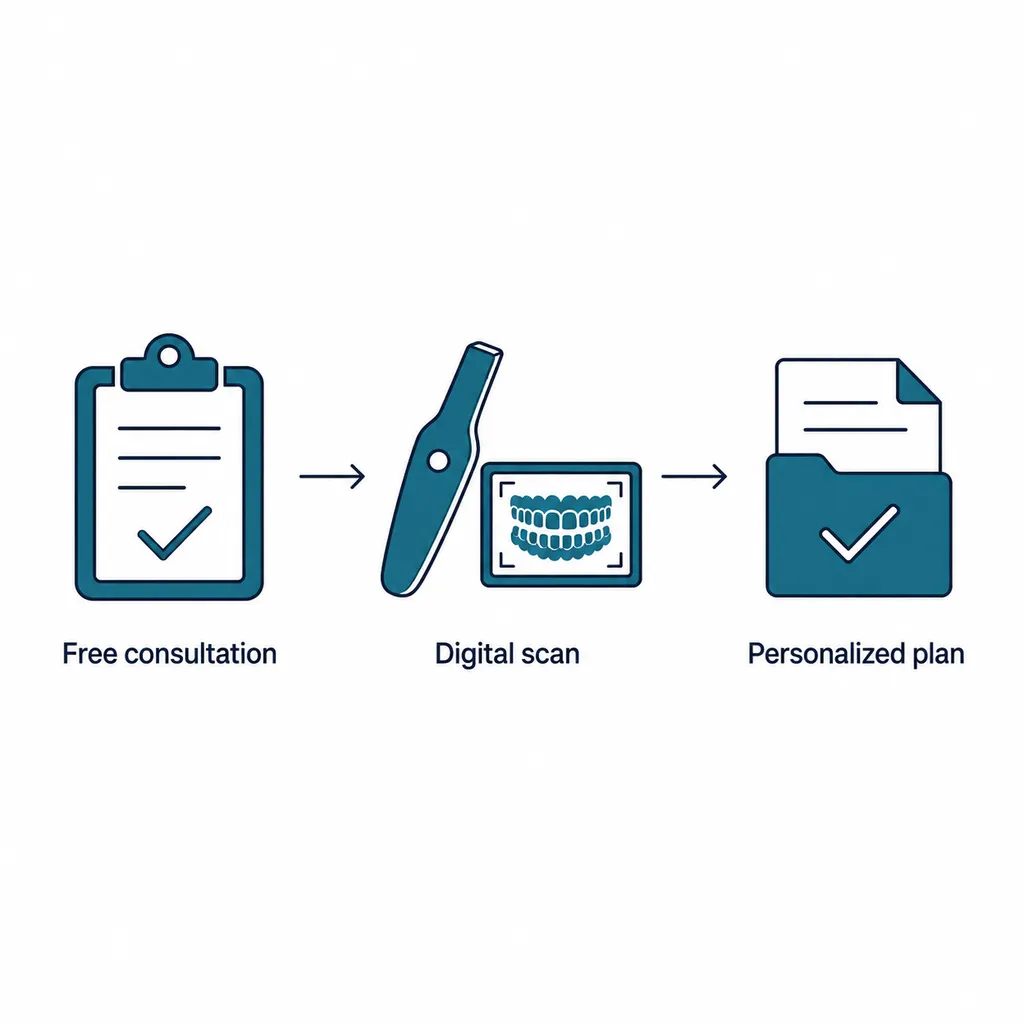
You do not have to sort this out on your own. At a free consultation, one of our orthodontists, Dr. Wendling, Dr. Perry, or Dr. Nolan, examines your teeth and tells you which option fits your case, and often whether both would work. To plan accurately, we take a digital panoramic x-ray and often a digital 3D scan with our iTero scanner. The scan creates a detailed 3D model of your teeth, which the doctor uses to see exactly what your bite needs and to plan the right treatment. You see the same model we do, so the recommendation makes sense to you instead of being something you just have to trust.
What about the cost?
What you invest depends on your specific case and how long treatment takes, so it is different from one person to the next. The most helpful thing we can do is look at your teeth, put together your treatment plan, and walk you through the investment based on what you actually need. We do that at your free consultation, and we go through all of it clearly and with no pressure.
Let’s figure out the best fit for your smile
Both braces and clear aligner therapy can give you a beautiful, healthy smile, and the best fit really does come down to your case and your daily life. The surest way to know which one is right for you is to let one of our doctors take a look. We would love to meet you, answer your questions, and talk it through with no pressure. When you are ready, book your free consultation and we will help you decide together.