
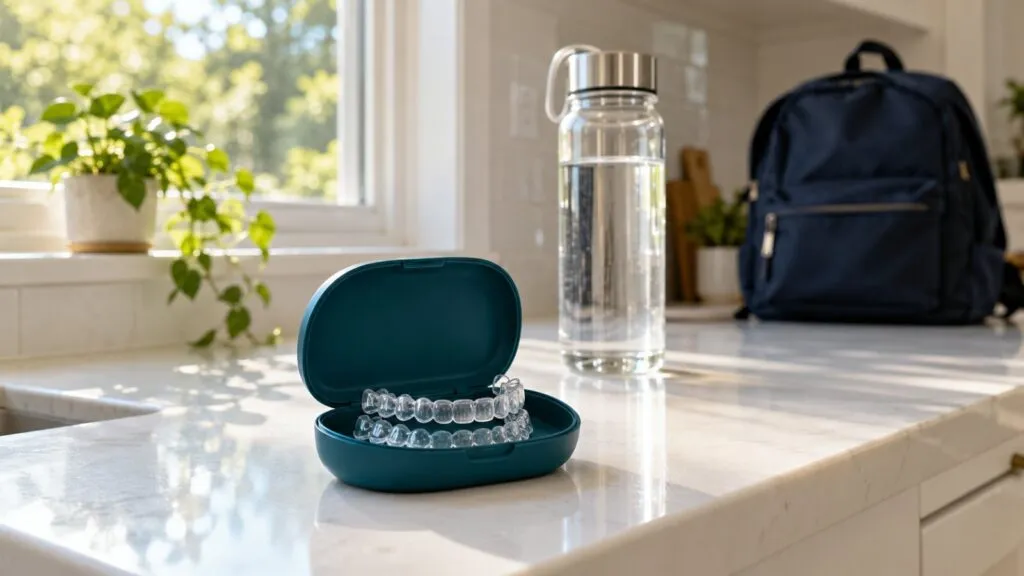
Your teen is ready for Invisalign® if their teeth and bite are a good fit for clear aligners and they’re willing to wear the aligners 20 to 22 hours a day. Dr. Wendling, Dr. Perry, or Dr. Nolan can check your teen’s teeth and bite at a consultation. You’re usually the best judge of whether your teen will keep the aligners in that long, because you see their daily habits up close.
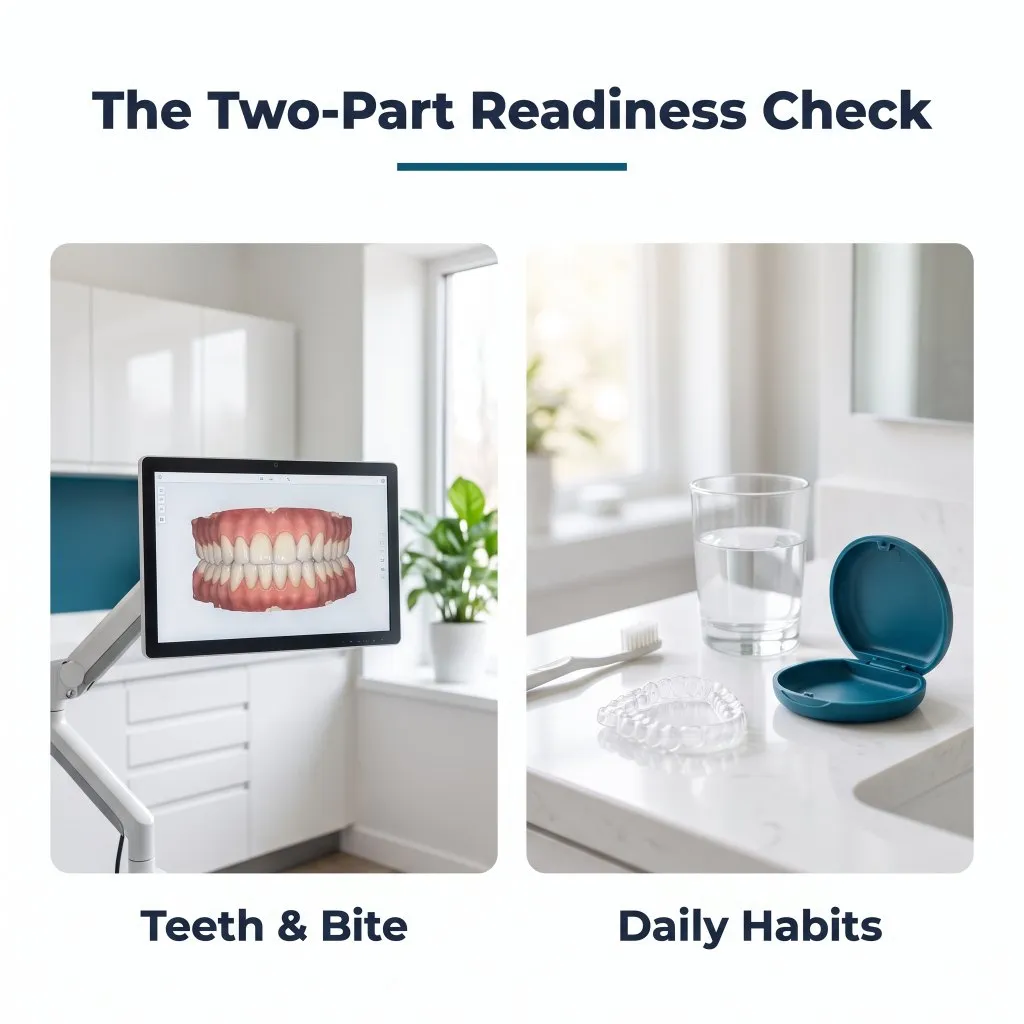
At Wendling Orthodontics, we’ve offered Invisalign since 2000, and we treat enough aligner cases to be a Platinum Invisalign Provider. We also offer traditional braces, so if clear aligners aren’t the right fit for your teen, we can recommend braces instead. Our page on clear aligner treatment for teens at our offices explains how aligners work.
Are My Teen’s Teeth Ready for Clear Aligners?
In general, a teen’s teeth are ready for clear aligners once their permanent teeth have come in. Apart from wisdom teeth, the last permanent teeth to arrive are the second molars, often called the 12-year molars. They usually come in between ages 11 and 13. Every child’s teeth come in on their own schedule, so your teen’s age gives you only a rough idea.
Your teen’s bite matters as much as their teeth. Clear aligners may not work as predictably as braces for severe bite problems, teeth that are turned a lot, or large gaps between teeth. In those cases, braces can be more precise. Whether your teen’s bite is one of those cases is something Dr. Wendling, Dr. Perry, or Dr. Nolan decides at the consultation. We take photos and a digital panoramic x-ray, and we often do a 3D scan of your teen’s teeth with our iTero scanner. Then we do a thorough exam and talk with you about whether braces or clear aligners fit your teen’s bite.
How Many Hours a Day Does a Teen Have to Wear Invisalign?
A teen needs to wear clear aligners 20 to 22 hours a day. That leaves 2 to 4 hours a day with the aligners out. All of your teen’s eating, drinking, and brushing has to fit into that time. The aligners come out for meals and snacks, for any drink other than water, and for brushing and flossing. They stay in the rest of the time, including overnight.
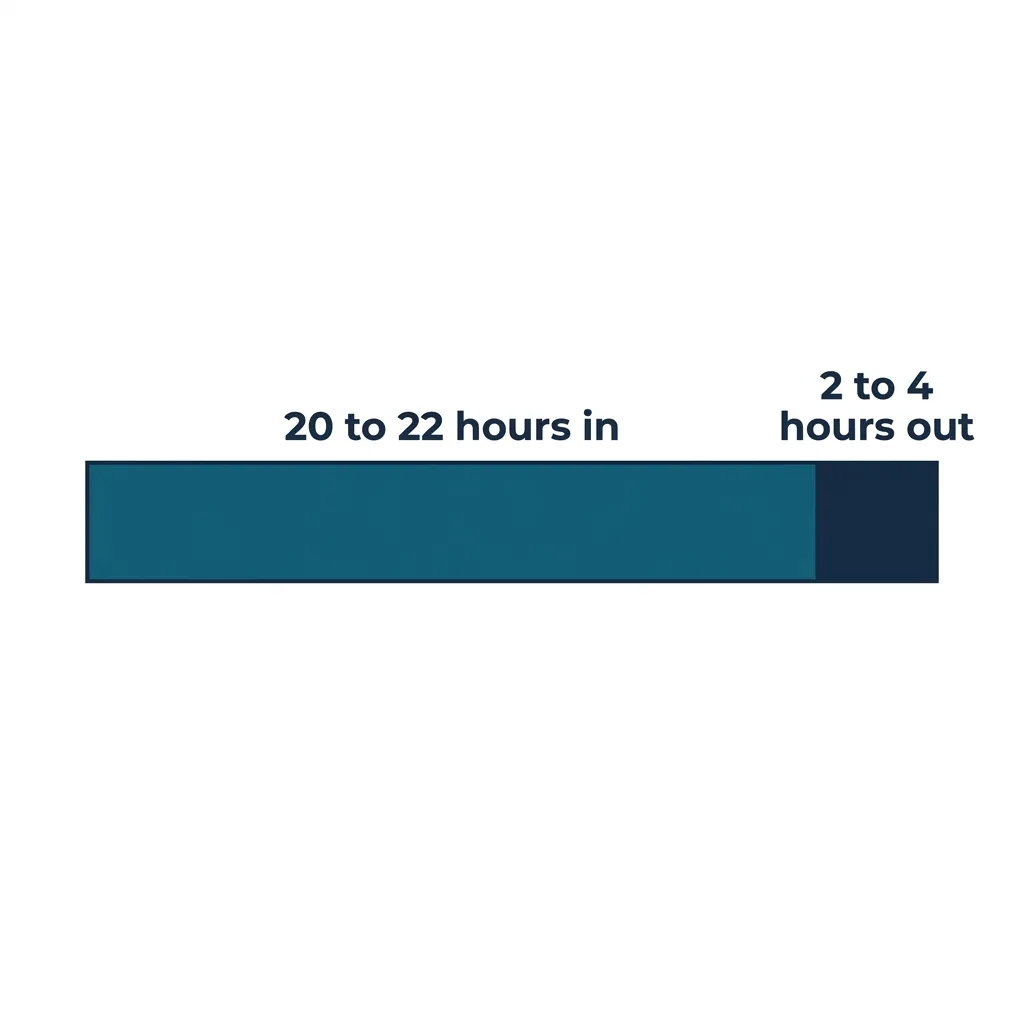
On a school day, your teen takes the aligners out at lunch and puts them back in after eating. Every soda or sports drink between classes and every afternoon snack means taking them out again. A teen who snacks or sips drinks all day ends up with the aligners out for too much of the day, so it helps to talk about those habits before treatment starts.
Is My Teen Responsible Enough for Invisalign?
Your teen is probably responsible enough for clear aligners if they already handle daily routines without many reminders from you. Aligners only move teeth while your teen is wearing them, so your teen is the one who keeps treatment going every day. Look for these signs in how your teen handles things right now:
- They keep track of their things. Your teen will take their aligners out several times a day, at school, at practice, and at friends’ houses. A teen who usually comes home with their phone, jacket, and backpack is more likely to come home with their aligners, too.
- They brush without being reminded. Brushing becomes part of the aligner routine, because the aligners come out every time your teen brushes and flosses and have to go back in afterward. A teen who already brushes every morning and night without a reminder is likely to handle that routine without you checking.
- They follow through on daily routines. Your teen will need to put the aligners back in after every meal and snack, every day, until treatment is finished. If your teen usually gets homework, practice, or a chore done without you asking more than once, that’s a good sign. If you often have to remind them several times, expect to remind them about their aligners too.
- They want aligners for their own reasons. A teen who asks for clear aligners because they want a less noticeable option has a reason to keep wearing them. If you want the aligners more than your teen does, ask your teen, before you decide, whether they’re willing to keep the aligners in all day and put them back after every meal.
- They’re honest when they slip. Most teens forget now and then. A teen who tells you they left their aligners out after lunch gives you a chance to fix the habit before it slows down treatment.
If most of these signs describe your teen, clear aligners are likely a realistic choice. If only one or two do, braces may be the more reliable choice for now.
How Can I Tell If My Teen Is Actually Wearing Their Aligners?
Your teen’s clear aligner checkups will usually be every 12 weeks. At each checkup, Dr. Wendling, Dr. Perry, or Dr. Nolan looks at how your teen’s teeth are moving. If the teeth haven’t moved as far as planned, that can be a sign the aligners haven’t been in long enough. They may recommend moving back to a previous aligner, or in some cases require a new scan for a new set of aligners that will have a better fit going forward.
You can also check in at home each day, for example by noticing whether the aligners go back in after dinner or by asking your teen at bedtime how the day went with them. Keep these check-ins friendly, so your teen feels comfortable telling you about a missed hour.
What Happens If My Teen Doesn’t Wear Their Aligners Enough?
If your teen doesn’t wear their aligners enough, treatment can take longer, and the results may not turn out the way you both hoped. Inconsistent aligner wear slows down progress, so the more days your teen leaves the aligners out too long, the further behind treatment can get. If checkups show your teen’s teeth falling behind, we’ll talk with you and your teen about it and work out a plan to help your teen keep the aligners in longer each day.
My Teenager Wants Invisalign Instead of Regular Braces. Should I Say Yes?
You can feel good about saying yes if Dr. Wendling, Dr. Perry, or Dr. Nolan confirms your teen’s bite is a good fit for aligners and you believe your teen will wear them as directed. The biggest day-to-day difference is that traditional braces are attached to the teeth, so they keep working whether or not your teen thinks about them. Clear aligners only work when your teen puts them back in.
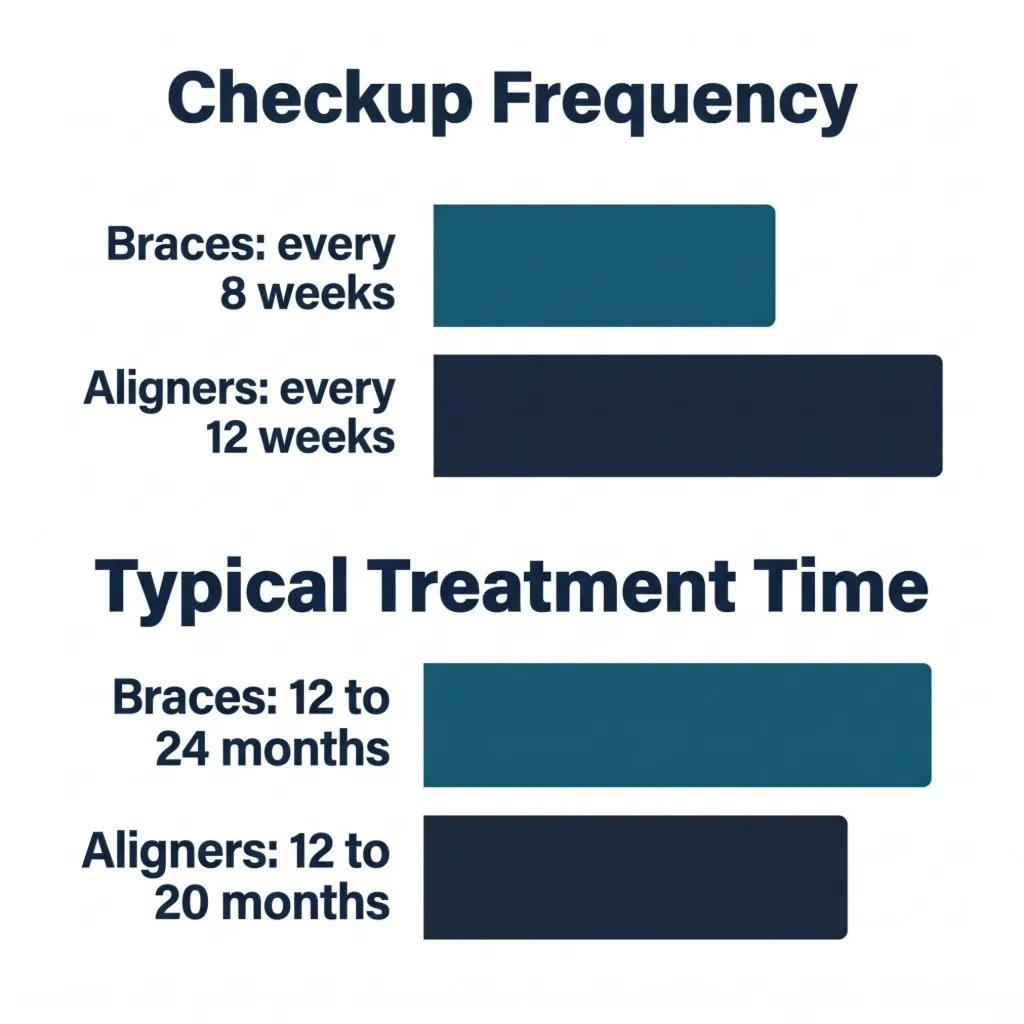
The two options also differ in eating, brushing, how often your teen comes in for checkups, and how long treatment usually takes.
| How they compare | Traditional braces | Clear aligners |
|---|---|---|
| Eating | Your teen avoids hard and sticky foods and cuts fruit and vegetables into smaller pieces. | No food restrictions, because the aligners come out to eat. |
| Brushing and flossing | Your teen brushes and flosses around the brackets and wires. | Your teen brushes and flosses as usual with the aligners out. |
| Checkups | Typically every 8 weeks | Typically every 12 weeks |
| Typical treatment time | Typically 12 to 24 months | Typically 12 to 20 months |
Braces are often the better choice if your teen tends to forget routines, loses things often, or isn’t very interested in aligners. With braces, there’s nothing to take out or put back in each day. Braces can also be the more predictable choice for some bite problems.
When both options could work, Dr. Wendling, Dr. Perry, or Dr. Nolan starts by asking what you and your teen would prefer. If one option would give your teen faster or better results, we’ll tell you. At the consultation, we also take time to talk with your teen directly about what each option asks of them every day, such as putting aligners back in after every snack or avoiding hard and sticky foods with braces. That way, your teen knows what each option involves before anyone decides.
My Teen Plays Sports. Are Aligners or Braces Better?
Both clear aligners and braces work for teens who play sports. Either way, your teen needs a mouthguard for contact sports.
With braces, your teen should wear a custom or orthodontic mouthguard that fits over the brackets at every practice and game. The mouthguard helps protect against cuts inside the mouth, broken teeth, and damage to the wires.
With clear aligners, your teen takes the aligners out and wears a mouthguard for contact sports. Time with the aligners out at practice is part of the few hours a day they can be out, so a long practice leaves less time for meals and snacks. For a teen with long daily practices, braces may be simpler, because the braces stay on under the mouthguard. For a teen who puts the aligners back in right after practice, clear aligners can work well.
Let’s Get Started, Schedule Your Free Consultation Today
If you’re still deciding whether your teen is ready for clear aligners, we’d be glad to help. Your teen’s free initial consultation includes a thorough exam with Dr. Wendling, Dr. Perry, or Dr. Nolan, and there’s no obligation. We’ll look at your teen’s teeth and bite, talk through braces and clear aligners with both of you, and help you choose the option that fits your teen.
You can request your free consultation online or call the office closest to you:
- Flint Office: 1100 S Linden Rd, Flint, MI 48532, 810-733-3410
- Grand Blanc Office: 210 Reid Rd, Suite 214, Grand Blanc, MI 48439, 810-214-3711