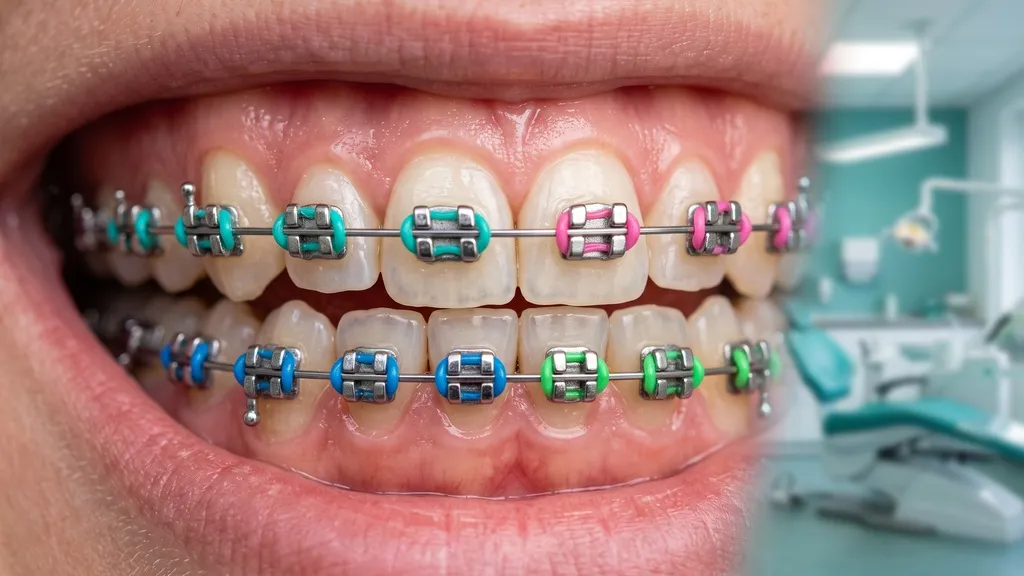
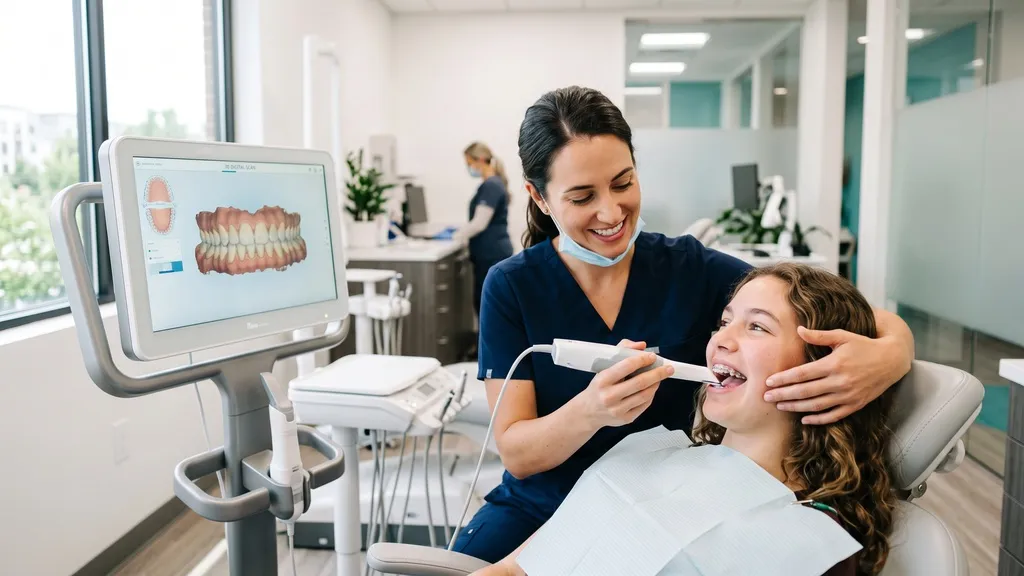
Plenty of adults in the Flint and Grand Blanc area assume orthodontic treatment is something you only do as a kid. It isn’t. Straightening your teeth as an adult is common, effective, and rarely too late. At Wendling Orthodontics, about a quarter of the patients we treat are adults, and we have been a clear aligner provider since 2000. Most adults choose between clear aligners and traditional braces, finish in roughly 12 to 24 months depending on the case, and fit treatment around a full work and family schedule. This guide answers the questions adults actually ask before they book: whether it’s too late, how clear aligners and braces compare, how long treatment usually takes, what it involves financially, and what to expect as a working adult. We see these conversations every week across our Flint and Grand Blanc offices, so the goal here is honest information, not a sales pitch. Is It Too Late to Get Braces or Invisalign as an Adult? For most healthy adults, no. Teeth with sound roots and healthy gums can be moved at almost any age, and the number of adults choosing treatment keeps climbing. According to the American Association of Orthodontists, about one in three orthodontic patients is now an adult over the age of 18. The growth is steady, not a blip. AAO member orthodontists treated an estimated 1.91 million adult patients in 2024, up from 1.64 million just two years earlier. A lot of that comes down to clear aligners being nearly invisible and the old stigma around adult braces fading. If you have been quietly wondering whether you missed your window, you almost certainly haven’t. Why More Adults in the Flint Area Straighten Their Teeth Adults come to us for different reasons than kids do. Teenagers are usually here because a parent brought them. Adults are here because they decided, often after years of thinking about it. A few patterns come up again and again. Confidence at work and in social settings The most common driver is appearance. In published patient surveys, roughly 7 in 10 adults cite how their smile looks as the main reason they pursue treatment. For working adults in public-facing roles, that often ties directly to confidence in meetings, presentations, and everyday interactions. Oral health and function Straighter teeth are easier to keep clean. Severely crowded teeth create tight spots that resist brushing and flossing, which over time can contribute to gum problems and uneven wear on the enamel. Correcting alignment removes those traps and makes daily hygiene more effective. For some adults, a general dentist or periodontist actually recommends orthodontics first, to create space for a crown or implant. Correcting teeth that shifted after teenage treatment A large group of our adult patients had braces years ago and watched their teeth slowly drift back, usually the lower front teeth. This happens for two reasons. If retainers aren’t worn consistently, the fibers around the roots gradually pull teeth toward their old positions. On top of that, teeth naturally tend to migrate forward over a lifetime, which crowds the front teeth as space runs out. Clear aligners are often a straightforward way to fix this kind of relapse. Your Treatment Options: Clear Aligners vs. Braces Almost every adult decision comes down to two paths: clear aligner therapy or traditional braces. Both work. The right choice depends on the complexity of your case, your daily routine, and how you feel about the trade-offs. Each option deserves a real look, so we cover them separately below, then side by side. Clear aligners (Invisalign and other clear aligners) Clear aligners are a series of custom, transparent trays that move your teeth in small, planned steps. For adults, the appeal is usually that they are nearly invisible and fully removable. You take them out to eat, drink anything other than water, brush, and floss, which means no dietary restrictions and normal oral hygiene. With no brackets or wires, many adults also find them comfortable against the cheeks and lips. The trade-off is discipline. Aligners only work if you wear them 20 to 22 hours a day. Take them out too often for long lunches or meetings and your treatment quietly stretches longer than planned. The schedule tends to suit busy adults, though. We typically see clear aligner patients about every 12 weeks, which is easier to fit around a job than more frequent visits. We have been an Invisalign provider since 2000 and are one of the area’s top providers, so we have guided a lot of adults through this exact decision. You can read more on our clear aligner page. Traditional braces Traditional braces use brackets bonded to the teeth and a wire that applies steady, continuous pressure. Because they are fixed in place, braces work around the clock without depending on your willpower. That makes them dependable for complex cases, and for anyone who knows they would struggle to wear trays consistently. The main concern adults raise is appearance. The main concern adults raise is appearance, which is the single most common reason adults choose clear aligners instead. Braces do come with dietary limits, since hard, sticky, and chewy foods can damage brackets, and they ask for careful cleaning around the hardware. We usually see braces patients about every 8 weeks for adjustments. Clear aligners vs. braces at a glance Factor Clear aligners Traditional braces Appearance Nearly invisible Visible with metal Removable Yes, for eating and cleaning No, fixed for the full treatment Dietary restrictions None Avoid hard, sticky, and chewy foods Daily responsibility Must wear 20 to 22 hours a day Built in, no daily willpower needed Typical visit frequency (our practice) About every 12 weeks About every 8 weeks Often best suited for Mild to moderate cases, relapse, busy schedules Complex bites and movements; low compliance worries Our typical timeline About 12 to 20 months About 12 to 24 months Timelines and visit frequencies above are the ranges we see most often. Every case is different,